Bedroom Interior Design · Charlotte, North Carolina

05 · Design consultations
A private 60-minute video call about your home, anywhere in the country, ending with next steps you can carry out yourself.
 Virtual Design Consultation
What it includes
A virtual consultation is one 60-minute session, one-to-one, on video. You send photographs and measurements ahead of time, so the hour is spent deciding things rather than explaining your floor plan to me. Bring a single room, a renovation already underway, or the full list of questions you have been carrying around for months.
This is direction, not a design package. There are no drawings, no sourcing, no ordering and no one managing the project afterwards — you take the plan and run it yourself. If what you describe on the call genuinely needs more than that, I will say so and tell you which service fits.
Who it suits
You are furnishing one room and keep buying, returning and starting over.
You are mid-renovation and your contractor needs answers on tile, cabinetry or lighting this week.
You live outside the Charlotte area and want a trained designer to look at your home before you commit money to it.
You are happy to do the work yourself and want direction, not someone running the project for you.
If the hour turns mostly on color, paint consultations take the same thinking across the whole house; if it turns on furniture you would rather not order and track yourself, that is what furniture sourcing and procurement covers.
How it runs
Checkout and scheduling both begin on the Etsy listing, so you choose a time rather than trading emails about one. A short questionnaire follows the booking.
Photographs of each wall, rough measurements, a floor plan if you have one, and anything already bought or committed to. Ten minutes of the call spent describing where the window is are ten minutes not spent deciding anything.
Sixty minutes on video, with screen sharing so we are looking at the same plan, product page or quote. We work through your list starting with whatever is most expensive to get wrong — usually the fixed finishes and the largest pieces — and you can ask about anything else in the time that remains.
You finish with your next steps clear and in the order to take them: which color to sample first, which piece to measure for, what to tell your contractor on Monday. Some people book a second hour later in the project; some move on to a fuller service. Neither is assumed.
From recent work
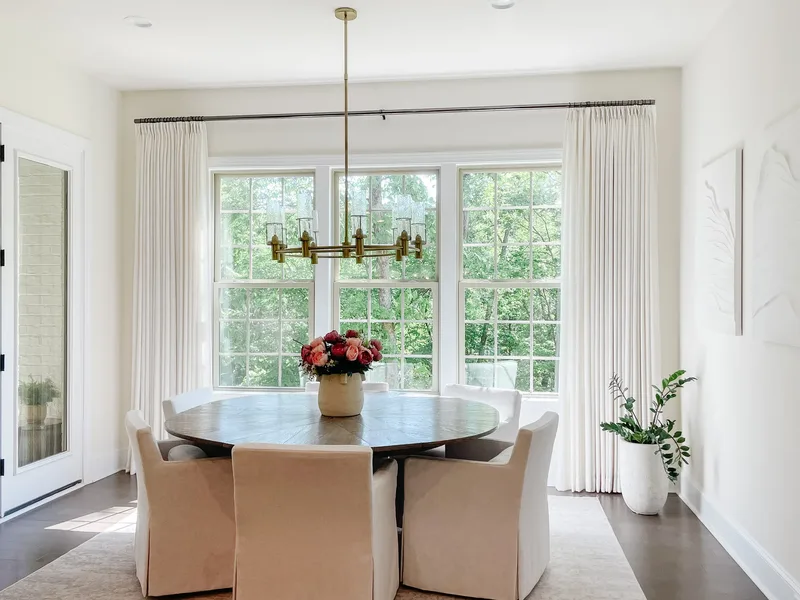
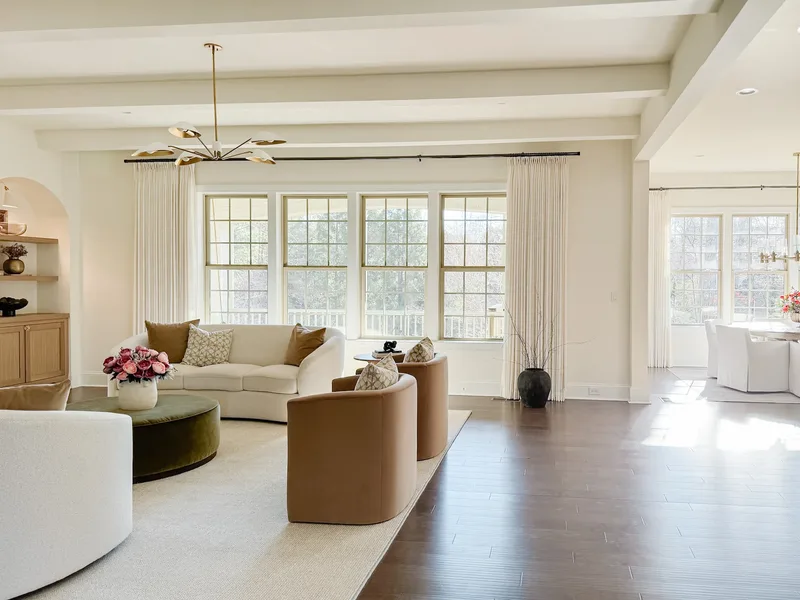
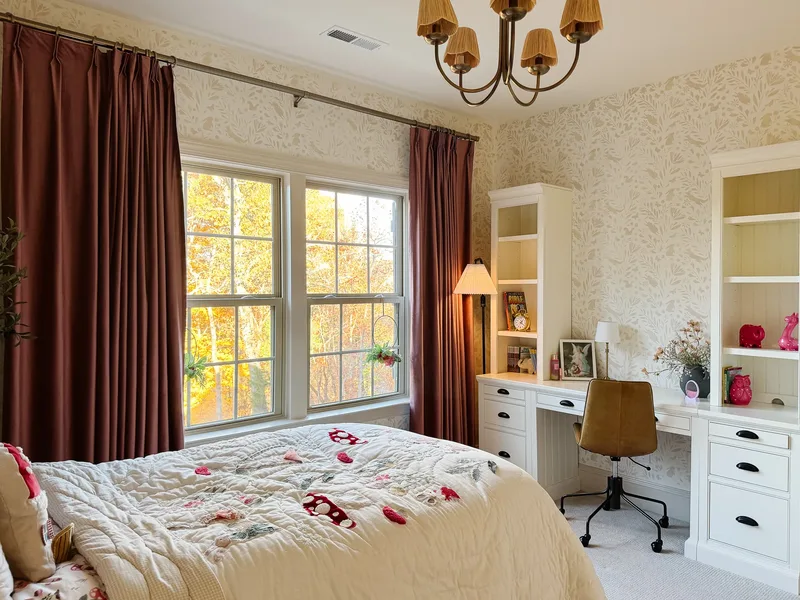
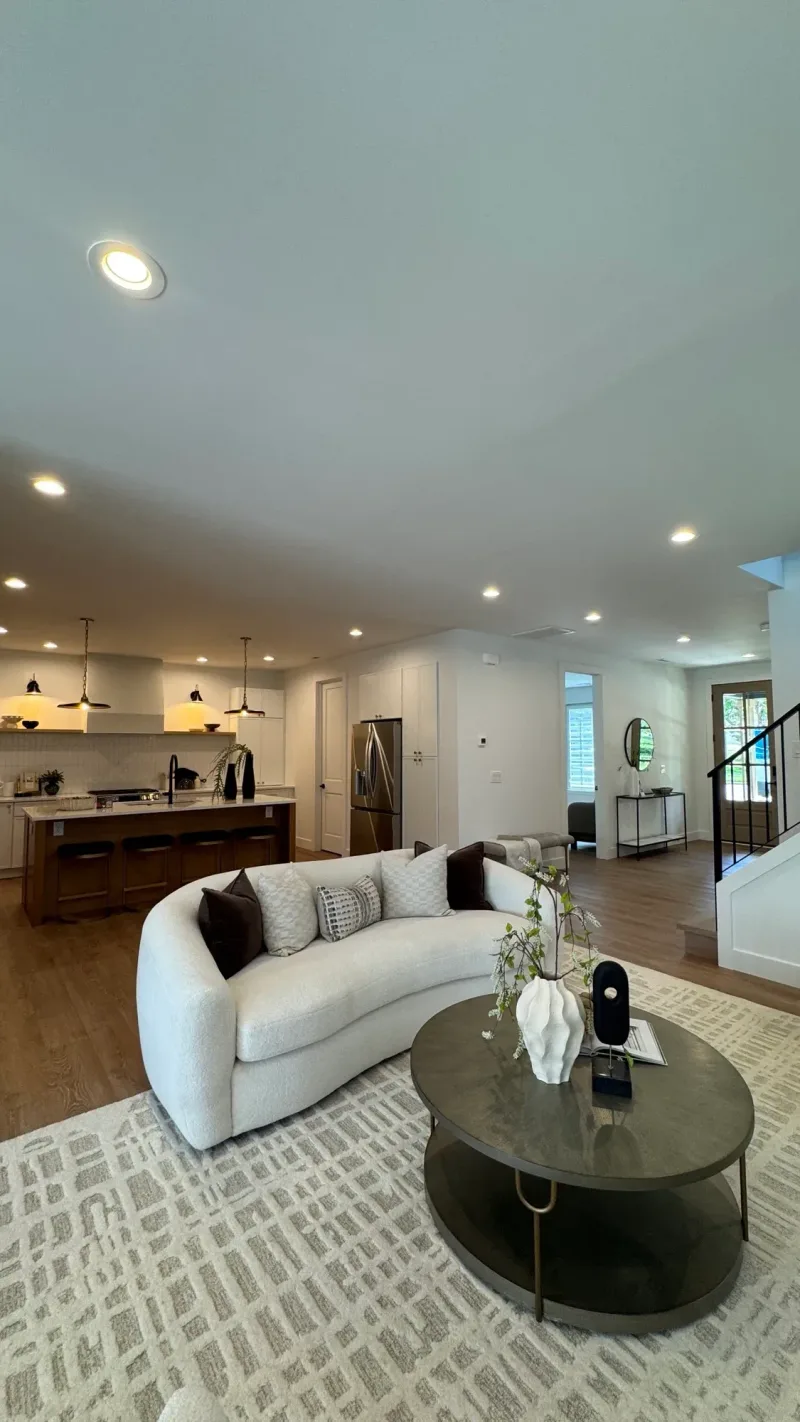
What clients say
“Amazing designer! Very creative, easy to work with and delivered exactly what i was looking for. Would definitely work with her again. Even after our consultation, she let me know I could text her if I had questions or needed help with her suggestions. That level of care made a big difference.
“Offered me a virtual paint consultation. I like the color and the way my room looks now. If you need an interior designer, this is the person to reach out to.
“Tatyana has been a pleasure to work with. She was very professional in helping me design the exterior of my new home. She was always very quick to respond and always got her work done on time. I would highly recommend her!
“Tatiana came to us through a local Sherwin Williams store. She was punctual, professional and very personable. Tatiana has a good eye for colors which is very helpful for homeowners who barely know where to begin. Her rate was an excellent value for what she brings to you home painting process.
“Tatyana was very professional and provided excellent service! She was prompt with her visits, and her responses to texts. She had great ideas and helped me think outside the box. She also had many trades people she could recommend to me for work that needed to be done. I would highly recommend her.
“Great interior design company! They turned out ideas into stunning designs and additionally delivered on time and within budget! I would highly recommend to give them a try.
“Tatyana was very helpful with her selection of interior paint and also had great decorating ideas. I would recommend her for any of your designing needs.
“Tatyana saved me from my paint mistakes today. She is an excellent paint picker and designer. I had spent hours researching paint colors and she easily found me better ones in one session. She also helped me with design ideas through my house. I highly recommend!
Before you book
No. Virtual consultations run nationwide, and the session is the same either way. In-person work is limited to the Charlotte area, so if you are local you can choose between the two; if you are not, the video call is how we work together.
It depends on how much is still undecided. One room with a specific question — a layout that will not work, a paint color you keep second-guessing, a light fixture you are unsure about — fits comfortably in an hour with time to spare. A whole house being furnished from empty, or a renovation with dozens of open selections, does not; in that case the hour gives you priorities, a direction and the two or three decisions that unlock the rest, and you decide afterwards whether to book more time or move to full-service design.
We can still talk, but the answers get noticeably less useful. Scale and layout are the two things I cannot judge from photographs alone, so without dimensions I can tell you what to look for rather than whether a specific sofa will fit. Wall lengths, ceiling height, window and door positions and the location of outlets and vents are enough — a tape measure and a phone photo of your sketch will do.
Yes, for the rooms we discuss, and that is often most of the hour. What an hour cannot do is a whole-home palette — checking undertones against your flooring, stone, cabinetry and the light your particular windows give, room by room, so the colors hold together as you walk through the house. That is the paint consultation, and it is a separate service for a reason.
Photographs of each room from the corners, a shot of every wall, and rough measurements including ceiling height. The hour is spent deciding rather than explaining your floor plan, and that only works if I have seen it first.
You can bring more than one, but be honest about priority. An hour spread across a whole house gives direction; an hour on one room gives decisions.
Yes, and that is one of the better uses of the hour. Send links or photographs ahead of time and you get a second opinion on scale, fabric and how the pieces sit together, before the order rather than after.
Often it is the most useful moment, because the questions are concrete and the deadlines are real. Bring the selections that are due and the ones you are stuck between.
Some projects want a second hour once decisions have been made and the next set has appeared. It is booked the same way — there is nothing to commit to beyond the hour you are booking.
No. It is a video call, and a phone you can walk around the room with is often more useful than a laptop that stays on the table.
Other ways to work together
 01
01From the first idea to the final detail, I manage the design process so you can enjoy a home that feels cohesive, finished, and completely yours.
Available exclusively in the Charlotte area.
Explore Full-Service Design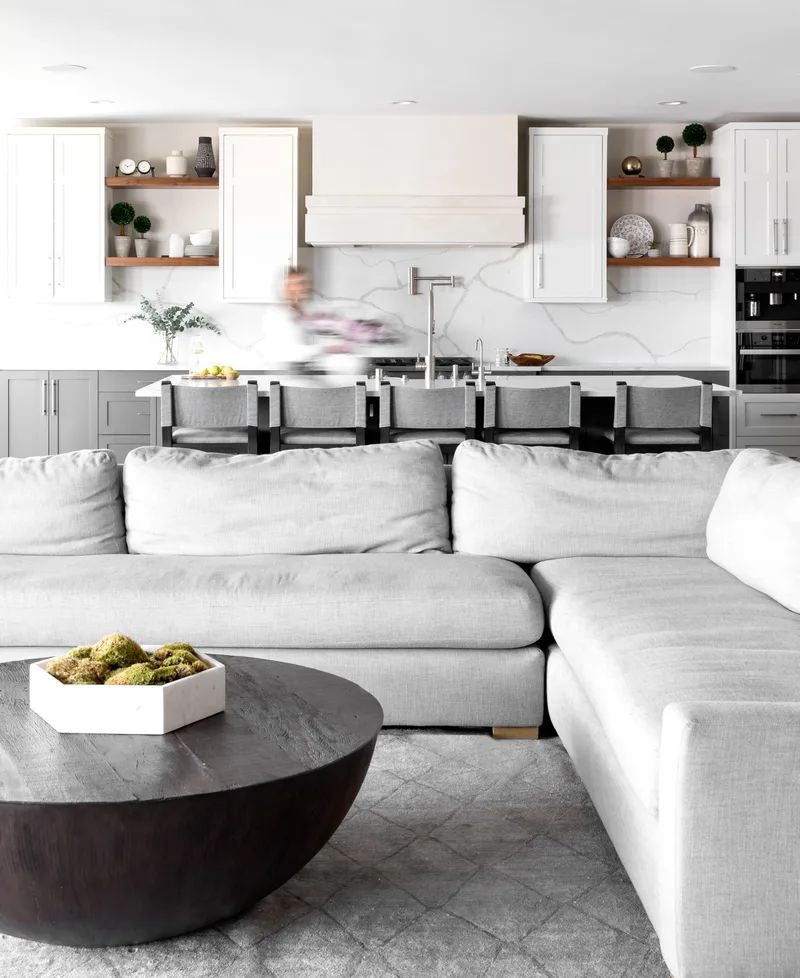 02
02Make every permanent decision with confidence before construction begins—from cabinetry and tile to lighting and finishes.
Explore Kitchen & Bath Design 03
03I’ll help you choose colors that complement your lighting, finishes, and surroundings—so your home finally feels cohesive from one space to the next.
Available in person in the Charlotte area or virtually nationwide.
Explore Paint Consultations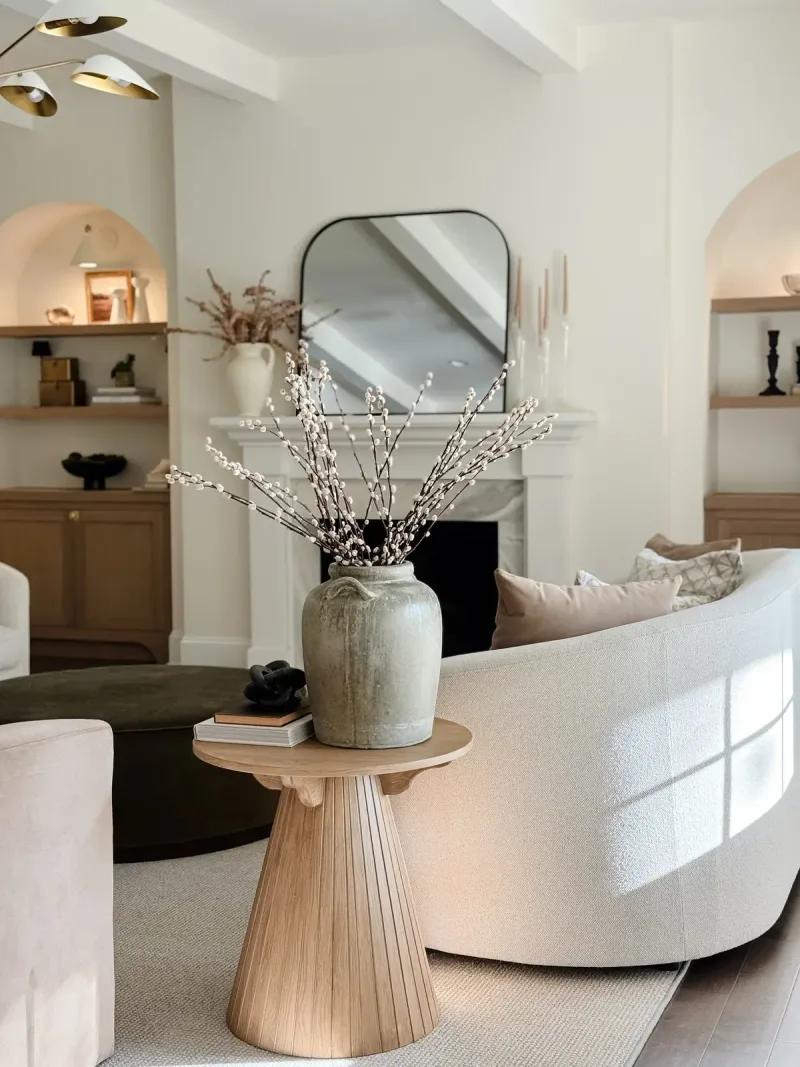 04
04Turn an unfinished room into a space that feels complete.
I help you select the right furniture, lighting, and finishing details to bring everything together.
Explore Furniture & Room Design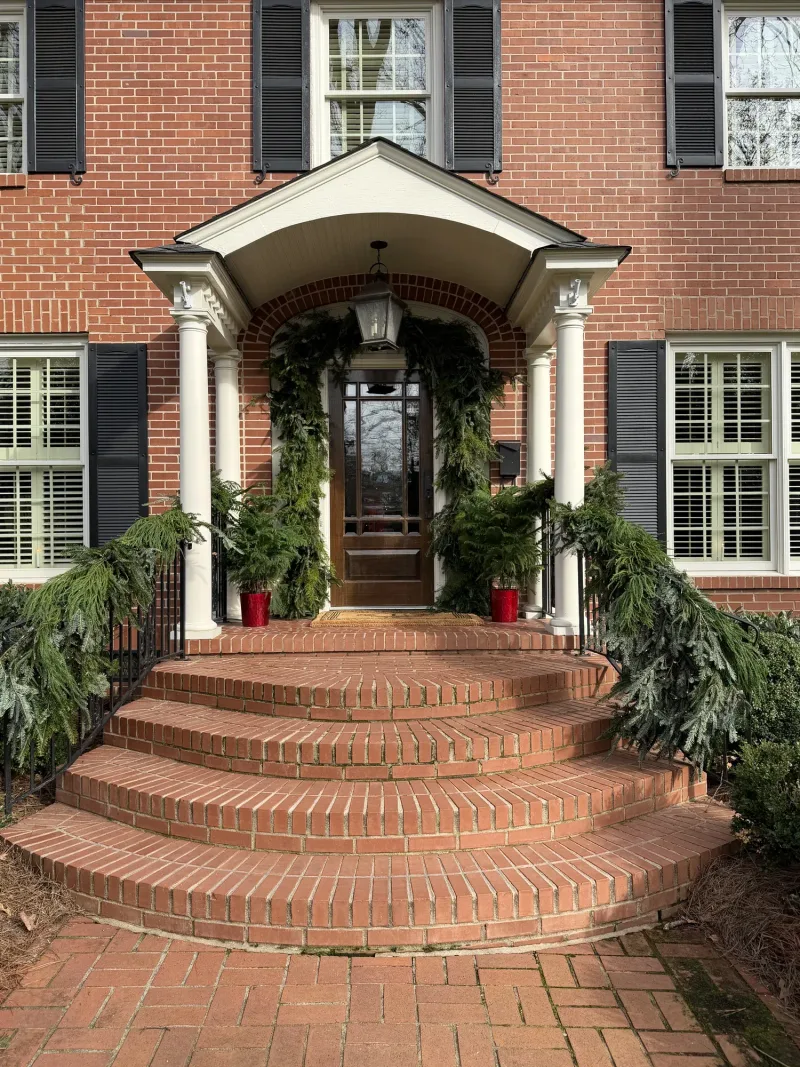 05
05Four ways to have Christmas done for you, from the tree alone to the whole house and the porch.
Everyone is quoted after I’ve seen the rooms.
Explore Seasonal Styling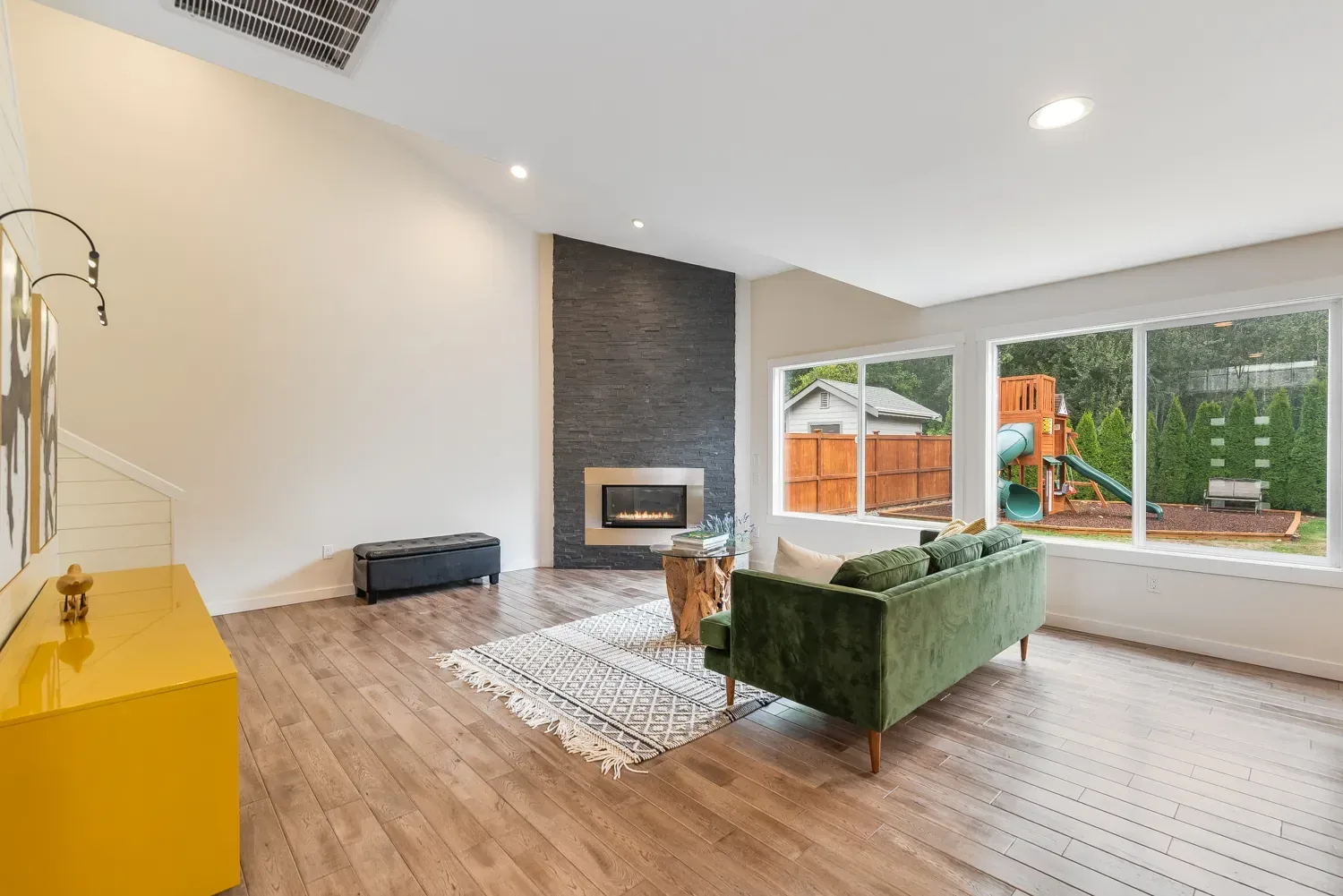
Let’s make your next decision the easy one
Tell me what you’re working on, and let’s choose the right next step together.
Let’s talk about your home
Ready to share the details? Complete the project inquiry form, and I’ll recommend the best next step.
Prefer to talk first? Book a free 15-minute call to ask about my services and see which option fits your project.

Not sure which service you need?
Book a complimentary 15-minute Project Fit Call to briefly share what you’re working on, ask questions about my services, and determine which option best fits your project.
Book a Free 15-Minute CallYou only need to choose one—submit the form or book a call.
Getting the most from an hour
An hour sounds like very little until you've spent three months not deciding something. Most people who book a virtual consultation aren't short of ideas — they have forty saved images, three paint samples on the wall and two browser tabs open on sofas they can't choose between. What's missing isn't inspiration. It's someone to say which one, and why, and what to do first.
That's what this is: a private sixty-minute video call about your actual rooms, anywhere in the country, ending with next steps in priority order that you can carry out yourself. No project, no retainer, nothing to commit to beyond the hour you're booking. Below is how to get the most out of it, what suits the format, and — just as usefully — what doesn't.
Realistically, one room in depth, or two or three rooms at the level of direction. The call is spent deciding rather than explaining your floor plan, which only works if I've seen it beforehand.
Typical ground:
The full list is on this page.
This is the difference between a good call and a great one, and it takes about twenty minutes.
Photographs. Each room from all four corners, plus one shot of every wall taken straight on, plus one of the ceiling. Take them in daylight with the lamps off, then one at night with the lamps on. The night photograph tells me more about your lighting problem than any description will.
Measurements. Room width and length, ceiling height, window and door positions and sizes, and where the outlets and switches are. Rough is fine — within a couple of inches. If you have a builder's floor plan, that's better than anything you can measure.
What's staying. Photograph the floor, the countertops, any tile and the large upholstery you're keeping. These are the fixed points everything gets chosen against.
Your list. Three to five specific questions, in the order you'd most like them answered. And links or photographs of anything you're actively considering buying.
The single most useful thing you can send is a photograph of the room taken from the doorway you actually walk in through. That's the view you live with, and it's the one nobody photographs.
Roughly:
Bring your phone rather than sitting at a laptop if you can. Being able to walk into the room, point the camera at the corner we're talking about and show me the light in real time is worth more than any photograph. If you have paint samples up, have them ready; if you have fabric or tile samples, hold them against what they'll live next to.
You're stuck between two or three specific options. The fastest possible win. Send the links ahead of time and you get a considered answer on scale, fabric and how the pieces sit together, before the order rather than after.
You're mid-renovation with selections due. Often the most valuable moment, because the questions are concrete and the deadlines are real. Bring what's due this week.
Furniture layout in an awkward room. Corner fireplaces, a room with four doorways, a long narrow living space, a great room that has to work as two zones. These are geometry problems, and geometry translates perfectly over video.
Lighting. Quantity, placement, height and temperature are all answerable from photographs and dimensions. It's also the change with the highest impact per dollar in most builder-grade houses.
A whole-house direction before you start spending. Not a full plan, but enough of a spine that the next six purchases agree with each other.
You're partway in and something feels off. Sometimes the answer is one thing — the rug is too small, the drapery is hung at the casing, the bulbs are 4000K. An hour is plenty to find it.
Reading an undertone against something you're keeping. A countertop, a stone, a floor, an existing tile — matching color to a fixed material is the case where being in the room genuinely wins. Cameras and screens both shift color, and the shift isn't consistent between your phone and my monitor.
What we can do instead is narrow it properly: identify the undertone family from photographs, name two or three candidates, and give you a testing method that answers it reliably in your own light. That's usually enough. If it isn't, a full paint consultation is the right tool.
Also outside the hour: contractor-ready drawings, a full specification schedule, and anything requiring measured documentation. Those are deliverables of a design project, not a conversation.
Next steps in priority order, ready to act on. Not a document pack — the session is built so the work afterwards is yours to carry out, which means knowing what to do first, second and third, and what can wait.
In practice that's usually a short list:
Do the reading beforehand. If lighting is your question, skim lumens and watts first, so we can spend the call on your rooms rather than on the vocabulary. If it's curtains, the curtain guide. If it's a builder-grade house, this piece covers the usual suspects.
Be honest about the budget. Not because the advice changes in quality, but because it changes in kind. "Which of these two sofas" has a different answer at $1,800 than at $6,000, and both answers are good ones.
Tell me what you've already tried. If you've repainted twice, knowing which colors failed and how narrows the third attempt enormously.
Ask the awkward question. Whether the thing you already bought was a mistake, whether the wall can come down, whether the whole idea is wrong. Nobody minds, and it's a better use of the hour than politeness.
The honest arithmetic is worth stating, because it's the reason this service exists at all.
Each of those is a single decision made without a second opinion. The hour isn't competing with doing nothing; it's competing with the cost of getting one significant thing wrong.
It's also worth saying where the hour is not good value. If you have a whole house to furnish and a renovation running alongside it, sixty minutes will give you a direction but not a plan, and you'll spend the following months making the same kind of decisions without support. That's a design project, and I'd rather tell you so than sell you six consultations.
Some projects want another hour once the first round of decisions is made and the next set has surfaced — typically after samples are up or after the first pieces arrive. It's booked the same way, with nothing to commit to in between. Send updated photographs beforehand and the second call starts where the first one ended.
Nothing special. It's a video call. A phone you can walk around the room with is often more useful than a laptop that stays on the table. A reasonable connection helps; if yours is unreliable in the room we're discussing, take photographs and video beforehand as a backup.
If you're not sure what to ask, these are the questions that come up most, and they're the ones an hour answers well.
Is the rug the right size — and if not, what size. Where the sofa should actually face given the fireplace, the television and the window. Whether the room works better as one seating group or two. How high to hang the drapery, and how wide the rod should run. What to do with a corner fireplace, which is the single most common awkward-room question I get.
Whether painting the existing cabinets is worth it, and in what. Which hardware would change the room most for the least. Whether the lighting can be improved without opening the ceiling — it usually can. What to do about a backsplash you dislike but can't replace yet.
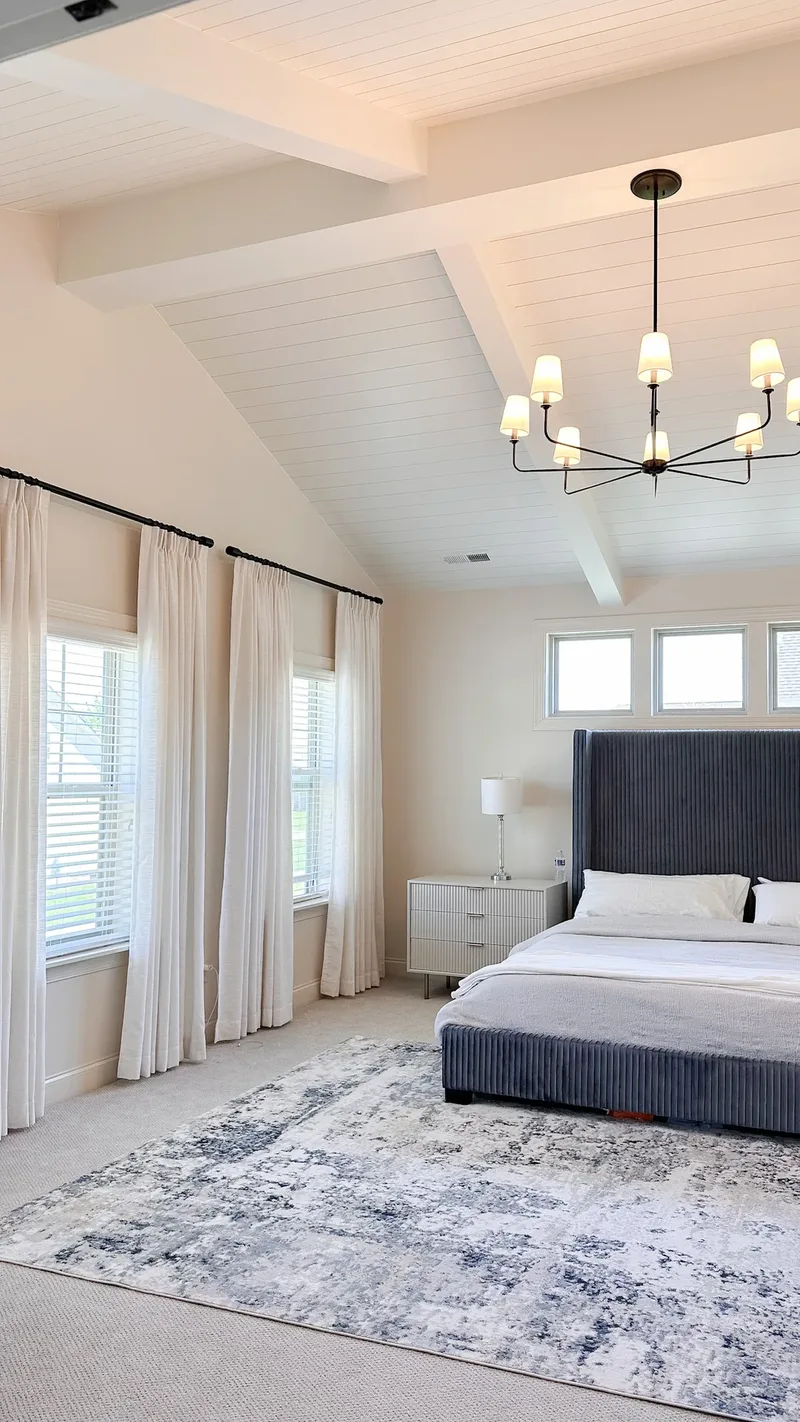
Bed placement in a room with too many windows. Whether the headboard is the right scale. Nightstand height against the mattress. Why the room feels unfinished — which, nine times out of ten, is drapery hung too low and too narrow, or lighting that's all overhead. Layering a bed covers the part you can fix yourself in an afternoon.
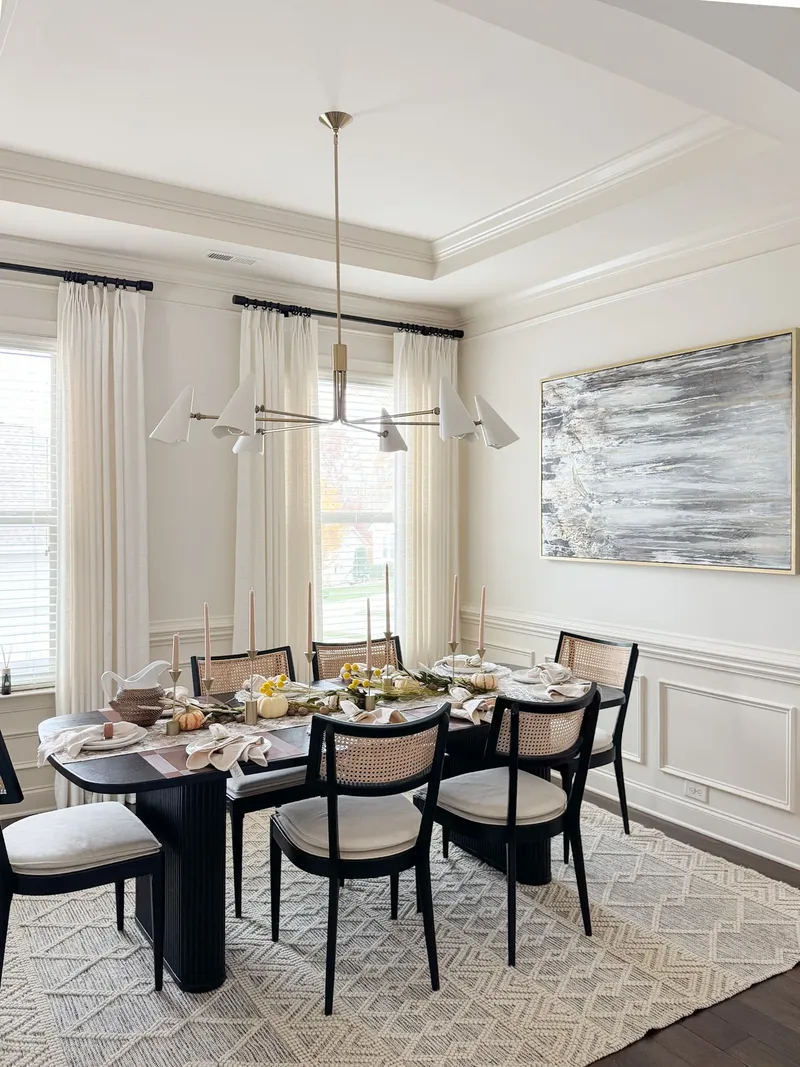
Chandelier size and hanging height. Whether the table is too big for the room — a very common miss, because tables are bought at showroom scale. How many chairs the room genuinely seats without anyone squeezing. What to put on the walls of a room used twelve times a year.
Scale of a mirror and console against the wall. Lighting in a windowless hall. What to do with a two-story entry that feels like a lobby. How to make a hallway of closed doors read as designed rather than as circulation — usually one continuous trim color and art hung at a consistent center line.
Desk orientation against the window, which is a glare problem before it's a design one. Task lighting that doesn't put your own shadow on the desk. What reads well behind you on a video call, since that's now a real design brief.
The format works nationwide, and the regional differences are worth naming because they change the advice.
Light is the big one. A north-facing room in New England gets cooler, weaker light than a north-facing room in Arizona, and the same greige will read colder there. Rooms in the Pacific Northwest spend much of the year under overcast sky, which flattens contrast and makes low-LRV colors harder to live with. In strong southern and southwestern light, saturated colors hold up far better than they do further north.
Housing stock changes the questions too — plaster walls and radiators in a pre-war Northeast apartment are a different set of constraints from a slab-on-grade ranch or a new build with an open great room. Tell me the era and the region and it's factored in.
What doesn't change is the method: fixed finishes first, scale checked against real measurements, light tested in your own room.
The work is yours to carry out, so the priority order matters more than anything else you leave with. Typically it runs:
Do the sampling the way it's described in the paint guidance — large boards, both walls, daylight and lamplight. Buy the long-lead item before the quick ones, even though it's the least satisfying order to place. And resist filling gaps with placeholder purchases; an empty corner for two months is better than a piece you'll replace, and considerably cheaper.
If something shifts — a piece is discontinued, a sample fails in your light, the budget changes — that's a good reason for a second hour rather than a reason to start over.
If you're not sure which, book the hour. Working out what the project actually is counts as a good use of it, and it's the least expensive way to find out.
You can see the range of work in the portfolio and the more practical advice in the journal. A Place to Exhale and Where Inspiration Gets to Work both started as conversations about one room.